
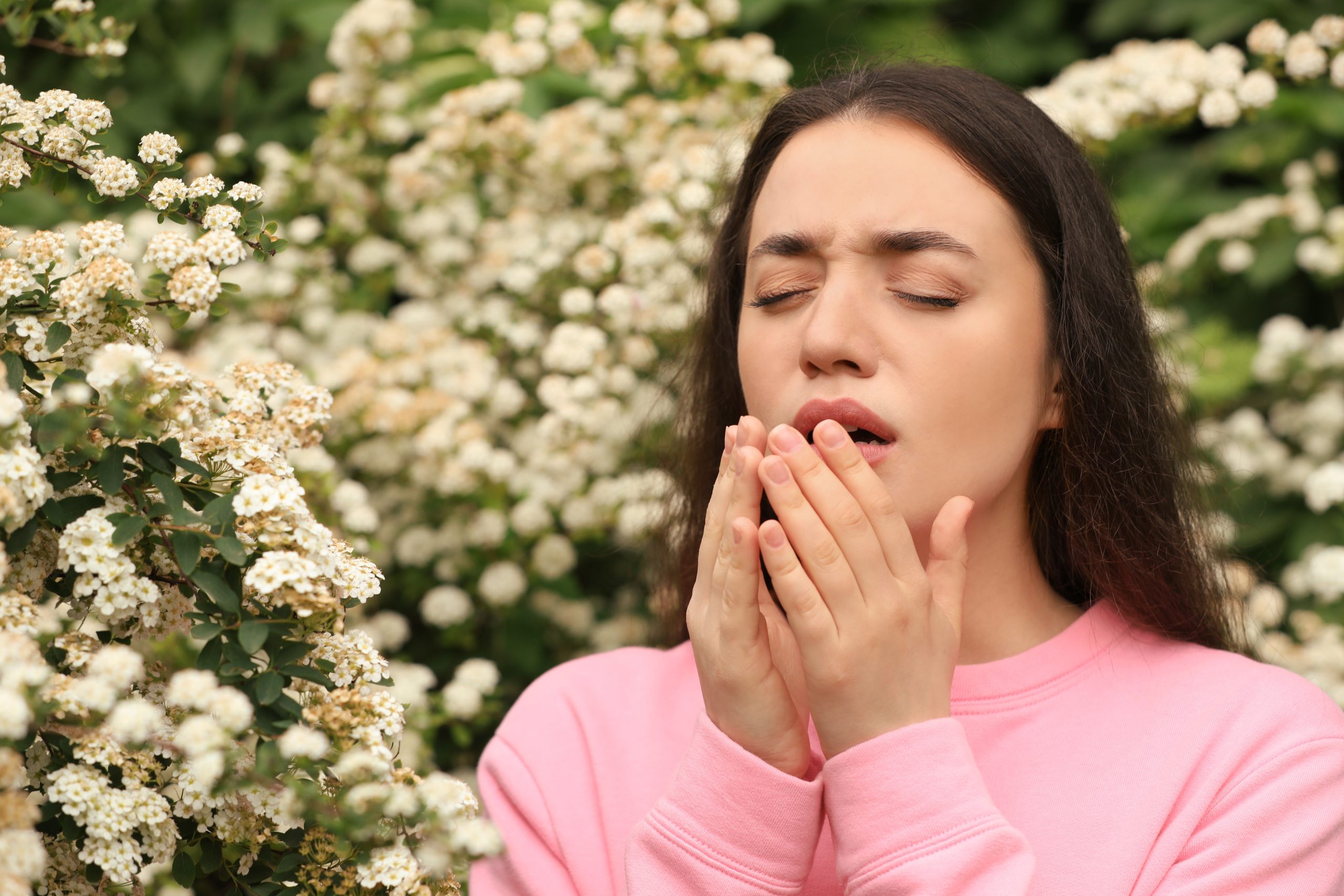
Surviving Spring Allergies
Spring is here! The change in the season brings blooming flowers and buddying trees. For millions of people, these changes also bring congestion and other allergy symptoms. But what exactly causes these symptoms and what can you do to help keep them under control? We have the answers for you!
What is the main cause of spring allergies?
The main cause of allergies in the spring is pollen! Pollen is best described as tiny seeds. During the spring, when plants start flowering, these little seeds are often carried by the wind where they can cause many symptoms if we are exposed by them, primarily though inhalation.
Some of the main allergy culprits may include:
- Tree Pollen: Cedar, maple, elm, and oak being particularly major allergens.
- Mold Spores: Piles of decaying leaves and damp, humid environments prove to be a habitat in which spores thrive.
- Grass Pollen: Grasses such as bermuda and timothy grass pollinate in the spring where their pollen can be carried miles in the wind.
What are some of the symptoms you can expect from spring allergies?
Exposure to spring allergens can cause many symptoms. While these allergens effect millions of people every year, some may show no symptoms at all. Everyone will react to spring allergens differently, but some of the most common symptoms you may expect include:
- Respiratory: Wheezing, coughing, and sinus pressure are common symptoms associated with springtime allergies.
- Eye Symptoms: Spring allergens may often result in allergic conjunctivitis which is expressed by symptoms such as watery, swollen, red, or itchy eyes.
- Nasal Symptoms: Runny nose, sneezing, and nasal congestion are particularly common symptoms.
How can we prevent exposure to spring allergens?
There is no way to completely prevent exposure to springtime allergens. But there are ways to limit your exposure. If you are allergic to pollen, then taking the following steps may just help keep seasonal allergies at bay this spring:
- Limit time outdoors when pollen levels are high.
- Shower and change your clothes after being outdoors.
- Keep your windows at home closed.
- Check, and if needed, replace your HVAC air filter.
What are some treatments for allergy symptoms?
If prevention fails, then don’t worry! Several types of over the counter, nonprescription medications have been shown to help alleviate spring allergy symptoms. These may include:
- Oral Antihistamines: Antihistamines may help ease nasal symptoms such as a runny, itching, or a stuffy nose as well as sneezing. These may also help alleviate watery eyes.
- Oral Decongestants: While the effects are temporary, these can provide some relief from nasal congestion or stuffiness.
Remember to allows follow your healthcare providers direction when using over the counter medications. If home remedies fail at alleviating symptoms, visit us at your local MedWise urgent care for treatment options!